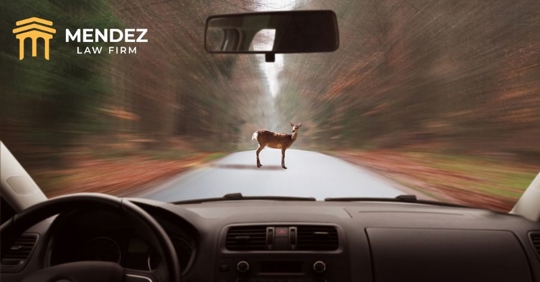
In Texas, spring is more than just bluebonnets and warmer weather; it is a season of movement. As the landscape greens up, local wildlife becomes significantly more active. For the millions of people navigating the Lone Star State’s highways and rural backroads, this seasonal shift brings a hidden danger: a sharp increase in wildlife-related vehicle accidents.
According to studies, 51,522 animal-related crashes were reported to Texas police from 2010 through 2016. This means understanding why these collisions spike and knowing how to react can be the difference between a close call and a devastating crash.
Why Spring is a High-Risk Season
While many drivers associate deer accidents with the fall "rut," spring (particularly April and May) is the second-highest peak for animal-vehicle collisions. Several factors converge during these months:
- New Forage: After a dry winter, the lush "green-up" of vegetation in roadside ditches attracts deer, feral hogs, and smaller mammals looking for easy meals.
- Birthing & Migration: Young, inexperienced animals are born in the spring and often wander onto roadways. Additionally, species like turtles and amphibians cross roads to reach breeding grounds.
- Daylight Saving Time: The shift in our clocks puts more commuters on the road during dawn and dusk—the exact times when wildlife is most active (crepuscular).
Common Texas Wildlife Hazards
Texas ranks among the highest in the nation for animal-related crashes. While white-tailed deer are the primary concern, Texas drivers must also contend with:
- Feral Hogs: These animals are heavy, low to the ground, and can cause immense structural damage to a vehicle.
- Coyotes and Raccoons: While smaller, swerving to avoid these animals often leads to multi-vehicle pileups or rollovers.
- Livestock: In rural counties, "Open Range" laws mean you might encounter cattle or horses on the road, where liability can become a complex legal issue.
How to Protect Yourself on the Road
Confidence behind the wheel comes from preparation. If you see an animal on the road, follow these "Golden Rules" of Texas driving:
- Don’t Swerve: This is the most difficult but important rule. Swerving often causes you to lose control, hit a tree, or veer into oncoming traffic—scenarios far more lethal than hitting the animal.
- Brake Firmly and Stay in Your Lane: Use your brakes, keep the steering wheel straight, and maintain control of your vehicle.
- Use Your High Beams: When there is no oncoming traffic, use your brights to catch the "eyeshine" of animals lurking near the shoulder.
- Expect a Crowd: Many Texas animals travel in groups. If you see one deer or hog cross the road, assume three more are right behind it.
When an Accident Happens, We Are Here
We know that even the most cautious drivers can be caught off guard by a sudden dart from the brush. An accident with wildlife can leave you shaken, injured, and facing a mountain of insurance paperwork. If you’ve been involved in a collision—especially one involving livestock or a secondary crash caused by another driver’s reaction to wildlife—you deserve a legal team that understands the local terrain. At Mendez Law Firm, we provide the strong representation you need to get back on the road.
Contact us today at (956) 983-9673 for a consultation.